
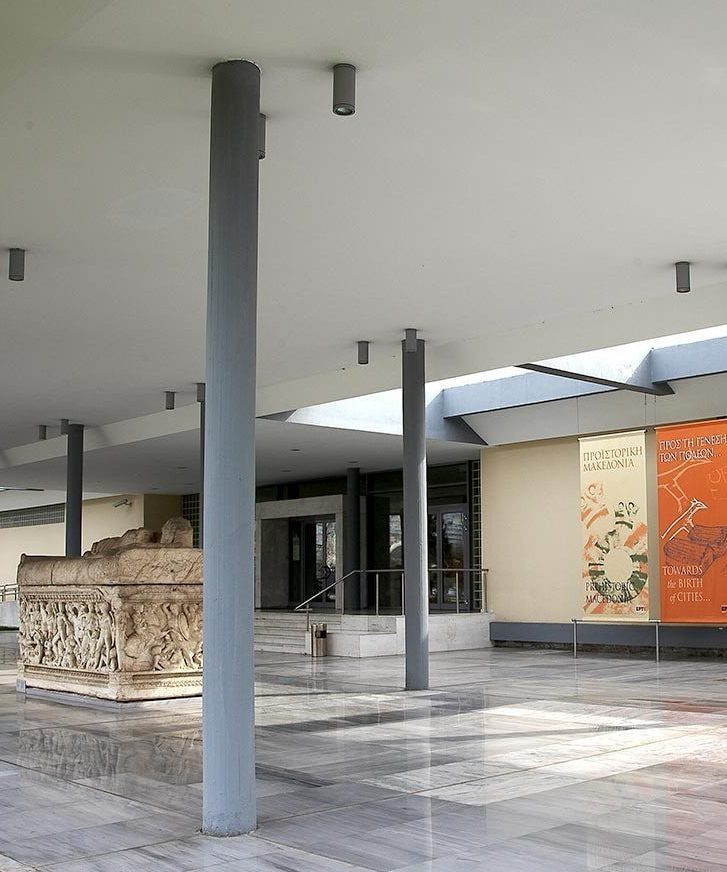
The Archaeological Museum is located in the XANTH square, next to the International Exhibition of Thessaloniki and is housed in a building constructed in 1962 according to Patroklos Karatinos’ architectural designs. It is declared as a preserved monument of modern heritage.
The findings of the Museum come from the excavation research in city plots and in archaeological sites covering the prefectures of Thessaloniki, Kilkis, Pieria, Halkidiki. The visitor will have the opportunity to see up close objects from the Neolithic, Classical, Hellenistic and Roman eras, as well as the prehistoric collection of the cultural evolution of Thessaloniki as well as the whole one of Central Macedonia.
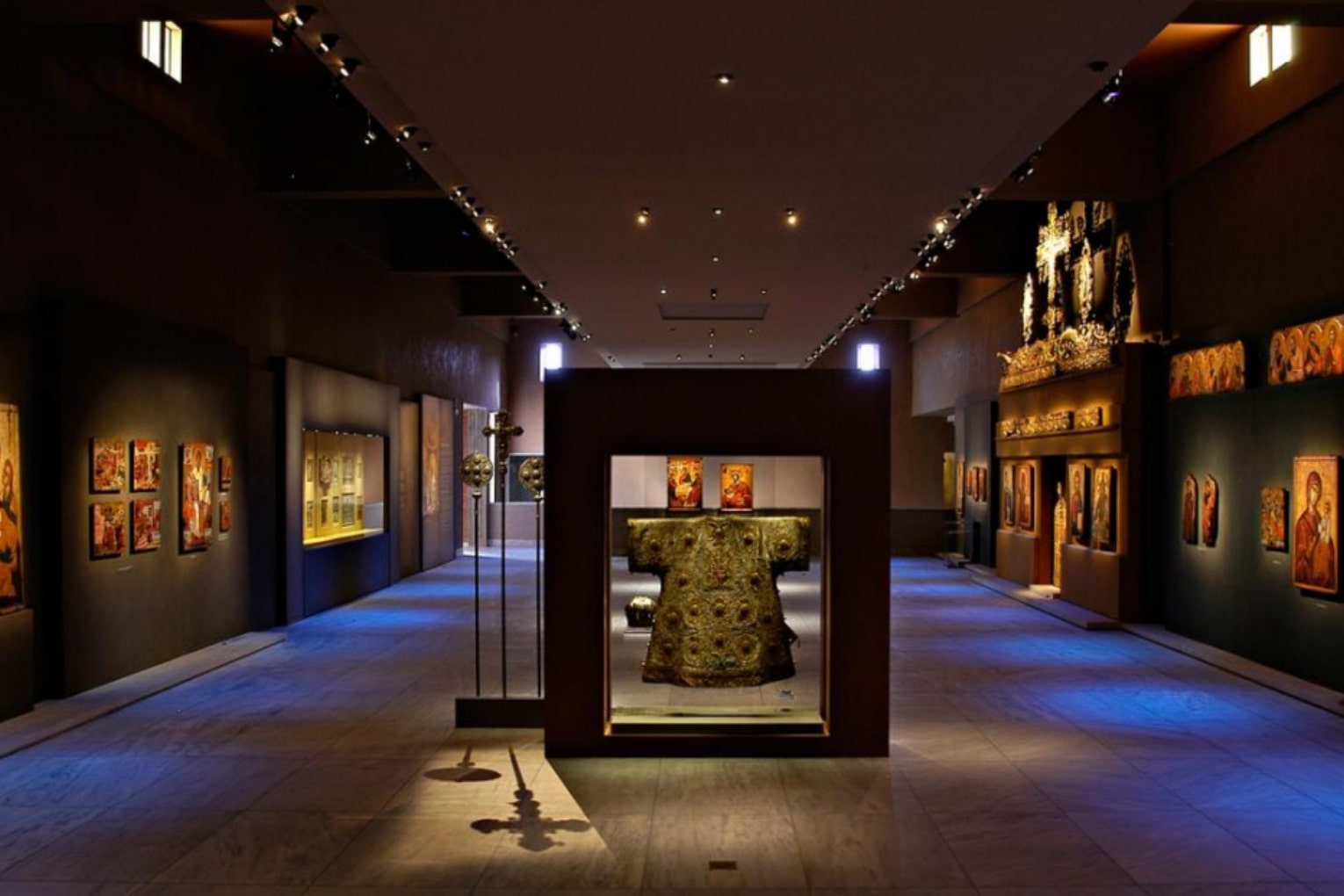
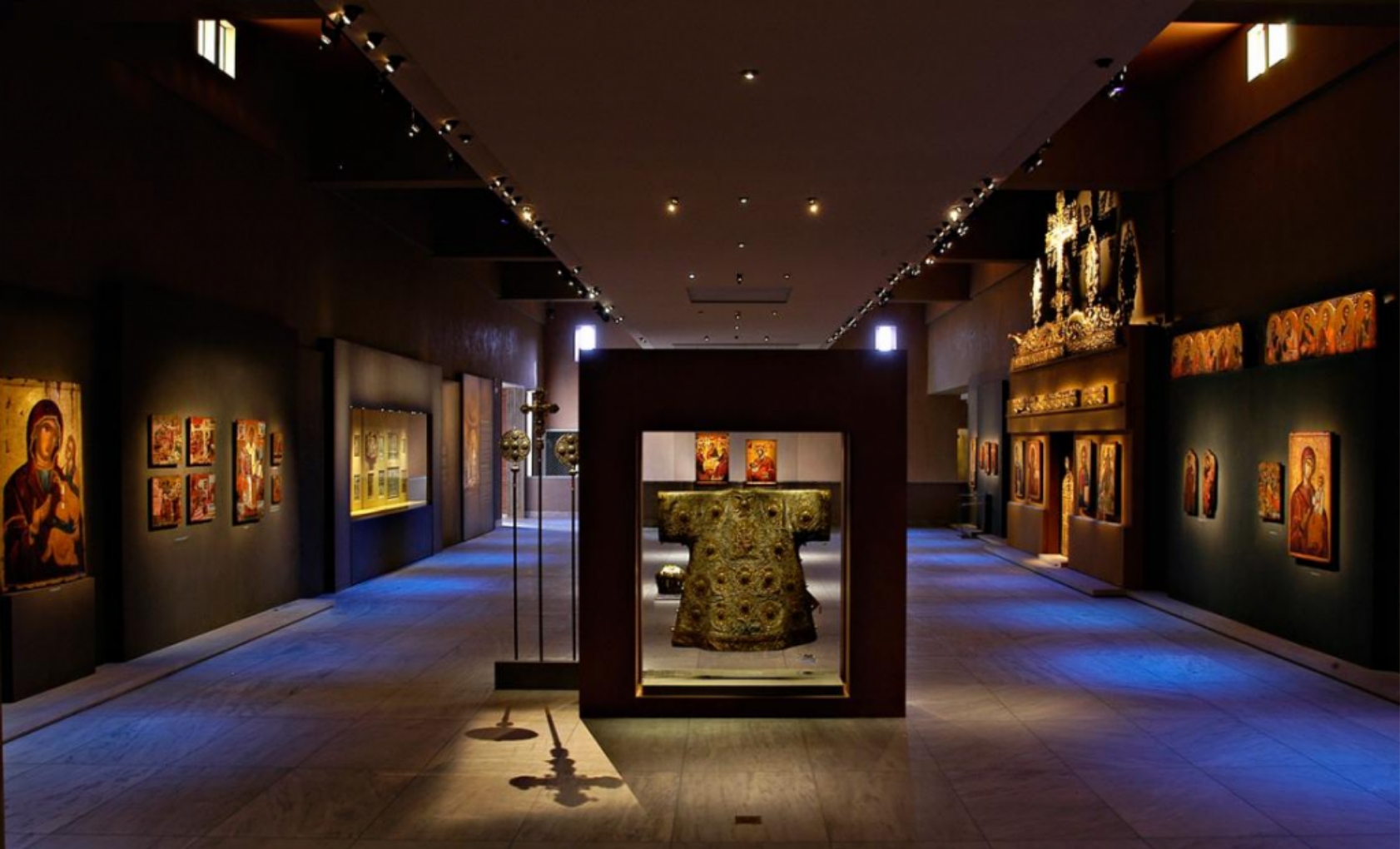
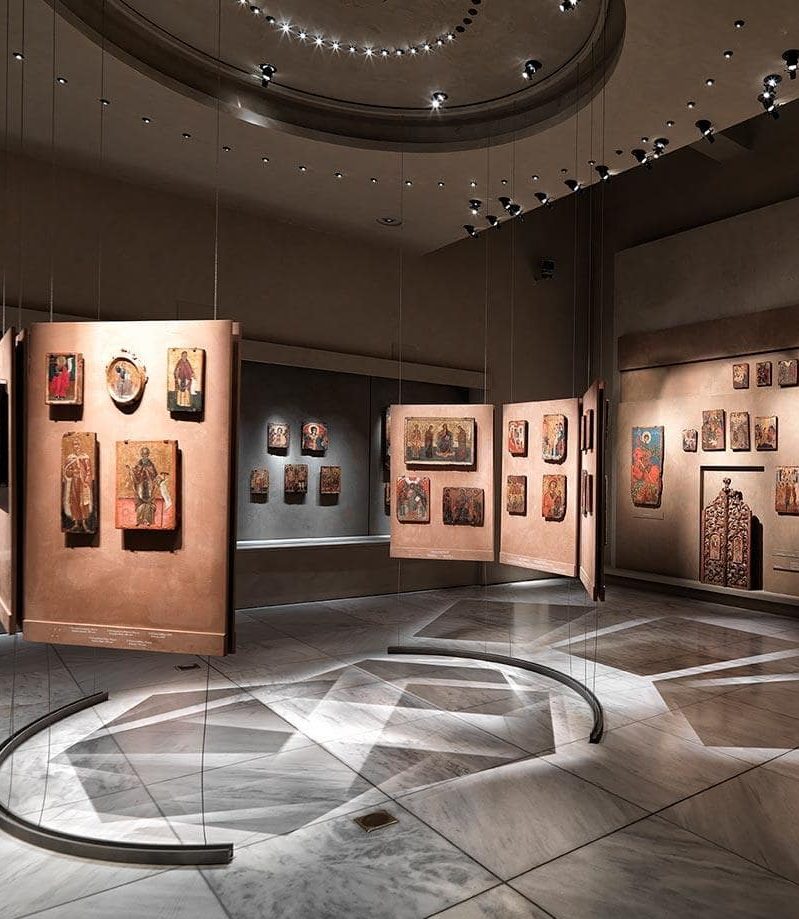
The Museum of Byzantine Culture is located on Stratos Avenue directly across from Areos Field and behind the new city hall on an area of 3,430 sq.m. It started operating in 1994 and in 2005 was awarded with the ‘Museum Award’ by the Council of Europe while the building is considered one of the best works of public architecture in Greece.
The 11 rooms of the museum host exhibitions presenting the Byzantine and post-Byzantine heritage (8th-12th century AD). Through thematic sections concerning daily and public life, worship and burial customs, architecture and art, economic and commercial activity, the visitor will discover the continuity and relationship between then and now.
The Atatürk Museum of Thessaloniki is housed in the house where Mustafa Kemal Atatürk, founder and first president of the Turkish Republic, was born in 1881 and spent his youth. It is located behind the Turkish Consulate at 75 Apostolou Pavlou Street.
Most of the furnishings are original. Some missing furniture had to be replaced with others, taken from Kemal’s Mausoleum and Topkapi in Constantinople. The visitor can see personal belongings of the Turkish leader, rare historical photos and various documents.
The Jewish presence in Thessaloniki is long-standing and inextricably linked to the history of the city. The mission of the Jewish Museum of Thessaloniki is to highlight the rich history of the community, to preserve the memory of the victims of the Holocaust as well as to research the over two thousand year presence of the Jews in the city.
The museum maintains the only existing collection of pre-war family and school photographs, a collection of business documents from Thessaloniki and a special showroom on the Holocaust, showing how this affected the Israeli Community of Thessaloniki as a whole.
It was founded in 2001 and is housed in one of the few surviving buildings from the big fire of 1917.
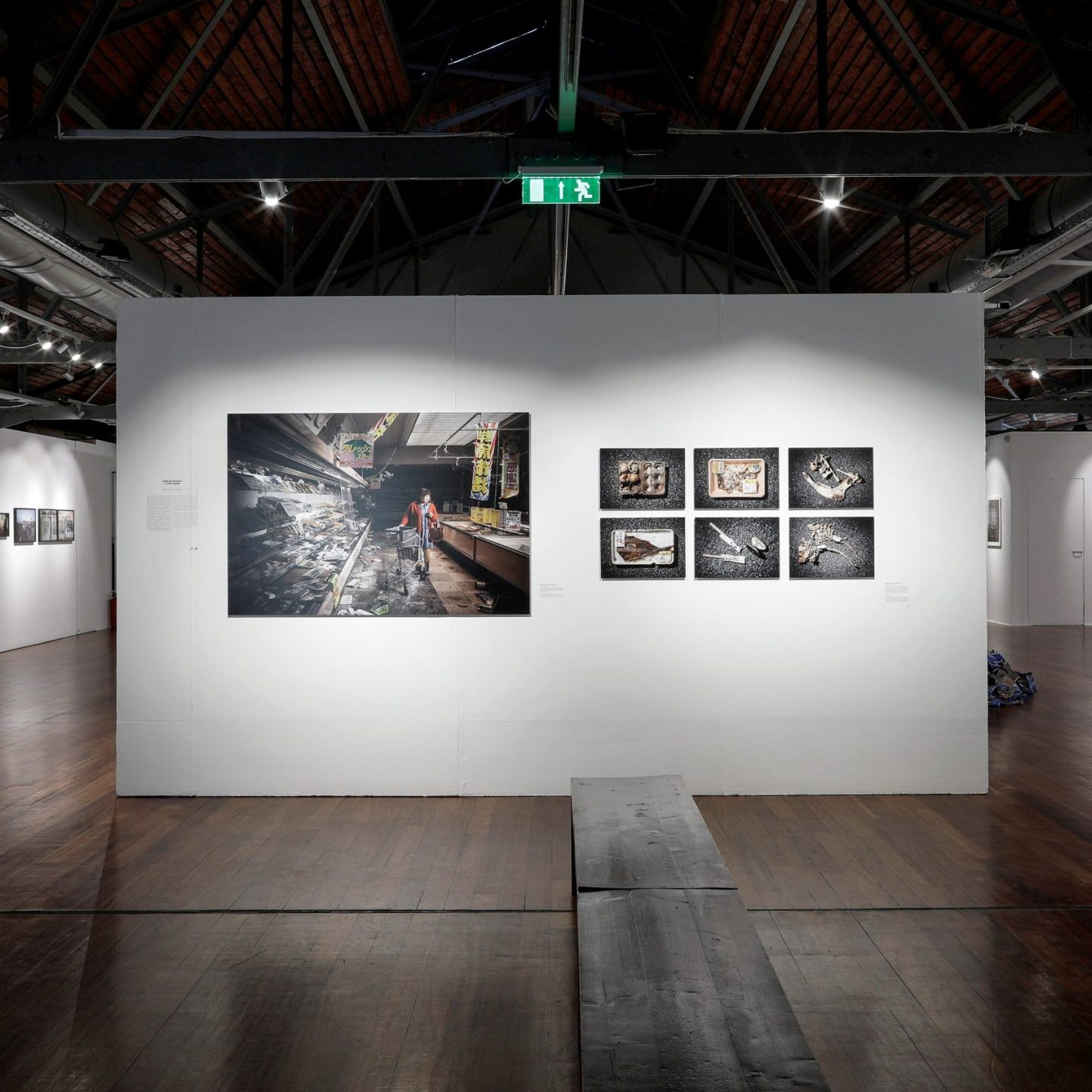
The Museum of Photography of Thessaloniki is the only museum in the country dedicated to the art of photography, it is supervised by the Ministry of Culture & Sports and organizes an international photography festival every two years. It opened its doors in 1998 and in 2001 it was housed in Warehouse A’ of the port of Thessaloniki.
The Ethnographic and Folklore Museum of Macedonia-Thrace is located on Vasilissis Olgas Street in a beautiful, well-preserved historical building of the 20th century known as “Modiano Villa”. It was the residence of the banker Yiako Modiano and his family.
The collections consist of objects from the pre-industrial era, mainly from the regions of Macedonia and Thrace. They represent the way people lived during the last centuries until the middle of the 20th century in both the countryside and the city. In terms of their quantity and variety, this is one of the richest collections of its kind in the whole of Greece.
The Archaeological Museum is located in the XANTH square, next to the International Exhibition of Thessaloniki and is housed in a building constructed in 1962 according to Patroklos Karatinos’ architectural designs. It is declared as a preserved monument of modern heritage.
The findings of the Museum come from the excavation research in city plots and in archaeological sites covering the prefectures of Thessaloniki, Kilkis, Pieria, Halkidiki. The visitor will have the opportunity to see up close objects from the Neolithic, Classical, Hellenistic and Roman eras, as well as the prehistoric collection of the cultural evolution of Thessaloniki as well as the whole one of Central Macedonia.
The Museum of Byzantine Culture is located on Stratos Avenue directly across from Areos Field and behind the new city hall on an area of 3,430 sq.m. It started operating in 1994 and in 2005 was awarded with the ‘Museum Award’ by the Council of Europe while the building is considered one of the best works of public architecture in Greece.
The 11 rooms of the museum host exhibitions presenting the Byzantine and post-Byzantine heritage (8th-12th century AD). Through thematic sections concerning daily and public life, worship and burial customs, architecture and art, economic and commercial activity, the visitor will discover the continuity and relationship between then and now.
The Atatürk Museum of Thessaloniki is housed in the house where Mustafa Kemal Atatürk, founder and first president of the Turkish Republic, was born in 1881 and spent his youth. It is located behind the Turkish Consulate at 75 Apostolou Pavlou Street.
Most of the furnishings are original. Some missing furniture had to be replaced with others, taken from Kemal’s Mausoleum and Topkapi in Constantinople. The visitor can see personal belongings of the Turkish leader, rare historical photos and various documents.
The Jewish presence in Thessaloniki is long-standing and inextricably linked to the history of the city. The mission of the Jewish Museum of Thessaloniki is to highlight the rich history of the community, to preserve the memory of the victims of the Holocaust as well as to research the over two thousand year presence of the Jews in the city.
The museum maintains the only existing collection of pre-war family and school photographs, a collection of business documents from Thessaloniki and a special showroom on the Holocaust, showing how this affected the Israeli Community of Thessaloniki as a whole.
It was founded in 2001 and is housed in one of the few surviving buildings from the big fire of 1917.
The Museum of Photography of Thessaloniki is the only museum in the country dedicated to the art of photography, it is supervised by the Ministry of Culture & Sports and organizes an international photography festival every two years. It opened its doors in 1998 and in 2001 it was housed in Warehouse A’ of the port of Thessaloniki.
The Ethnographic and Folklore Museum of Macedonia-Thrace is located on Vasilissis Olgas Street in a beautiful, well-preserved historical building of the 20th century known as “Modiano Villa”. It was the residence of the banker Yiako Modiano and his family.
The collections consist of objects from the pre-industrial era, mainly from the regions of Macedonia and Thrace. They represent the way people lived during the last centuries until the middle of the 20th century in both the countryside and the city. In terms of their quantity and variety, this is one of the richest collections of its kind in the whole of Greece.

